







ATTRACTION
Bethesda Terrace,
New York City

About
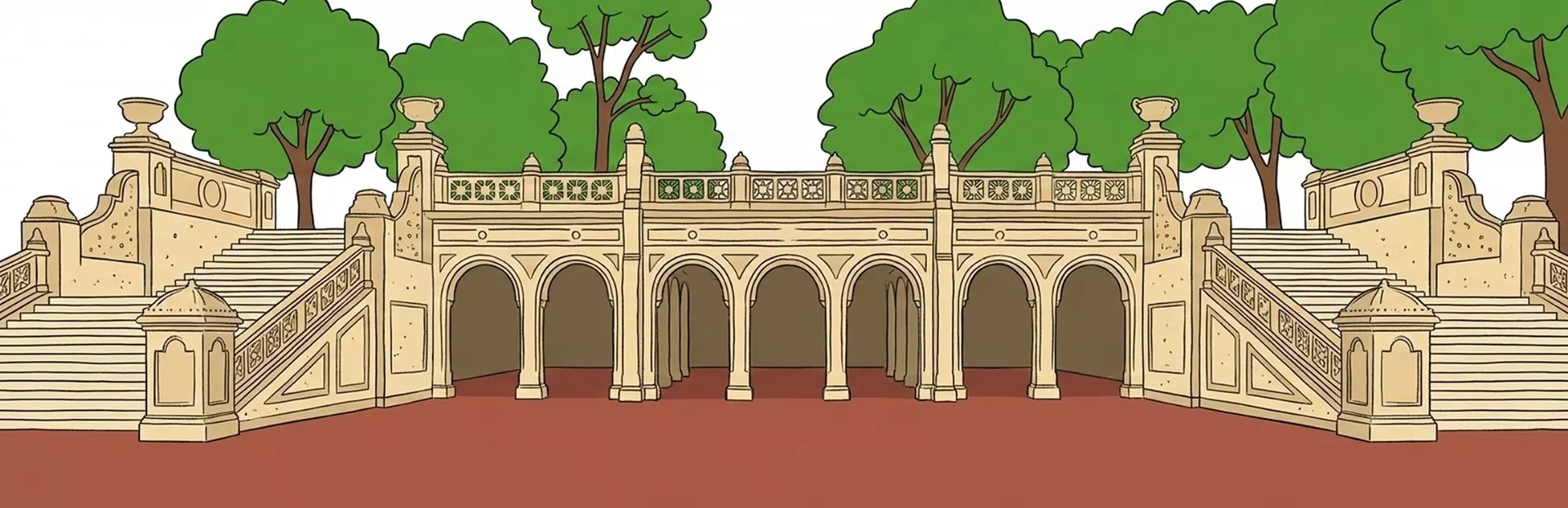
Bethesda Terrace is credited to Calvert Vaux, but the real genius belongs to Jacob Wrey Mould, the decorative artist who wove Italian, Gothic, Celtic and Moorish designs into a single coherent vision decades before Art Nouveau caught on.
The proof is in the details: hand-carved natural motifs on each pier, seasonal railings that shift from spring through winter as you descend, and sculpture-filled pillars depicting owls and bats for night, roosters for dawn, bird nests for spring, witches and pumpkins for autumn.
The terrace sits where Central Park's romantic vision meets practical infrastructure, bridging the park's two halves beneath a transverse road.
VoiceMap's tours reveal how Mould's designs foreshadowed the entire trajectory of early 1900s decorative arts, using Bethesda to trace the fingerprints of artistic revolution across a Victorian American park.
The proof is in the details: hand-carved natural motifs on each pier, seasonal railings that shift from spring through winter as you descend, and sculpture-filled pillars depicting owls and bats for night, roosters for dawn, bird nests for spring, witches and pumpkins for autumn.
The terrace sits where Central Park's romantic vision meets practical infrastructure, bridging the park's two halves beneath a transverse road.
VoiceMap's tours reveal how Mould's designs foreshadowed the entire trajectory of early 1900s decorative arts, using Bethesda to trace the fingerprints of artistic revolution across a Victorian American park.

Tours featuring Bethesda Terrace (2)


Oddities And Rarities
Parks And Gardens
Local Legends
Turn a walk in the park into a fascinating adventure with a master storyteller

 Walking Tour
|
 120 mins

Modern History
Architecture
Food And Drink
Stroll through Manhattan’s green lung while hearing about NYC’s gluten-free gems
 Walking Tour
|
120 mins
Download the app for free
VoiceMap
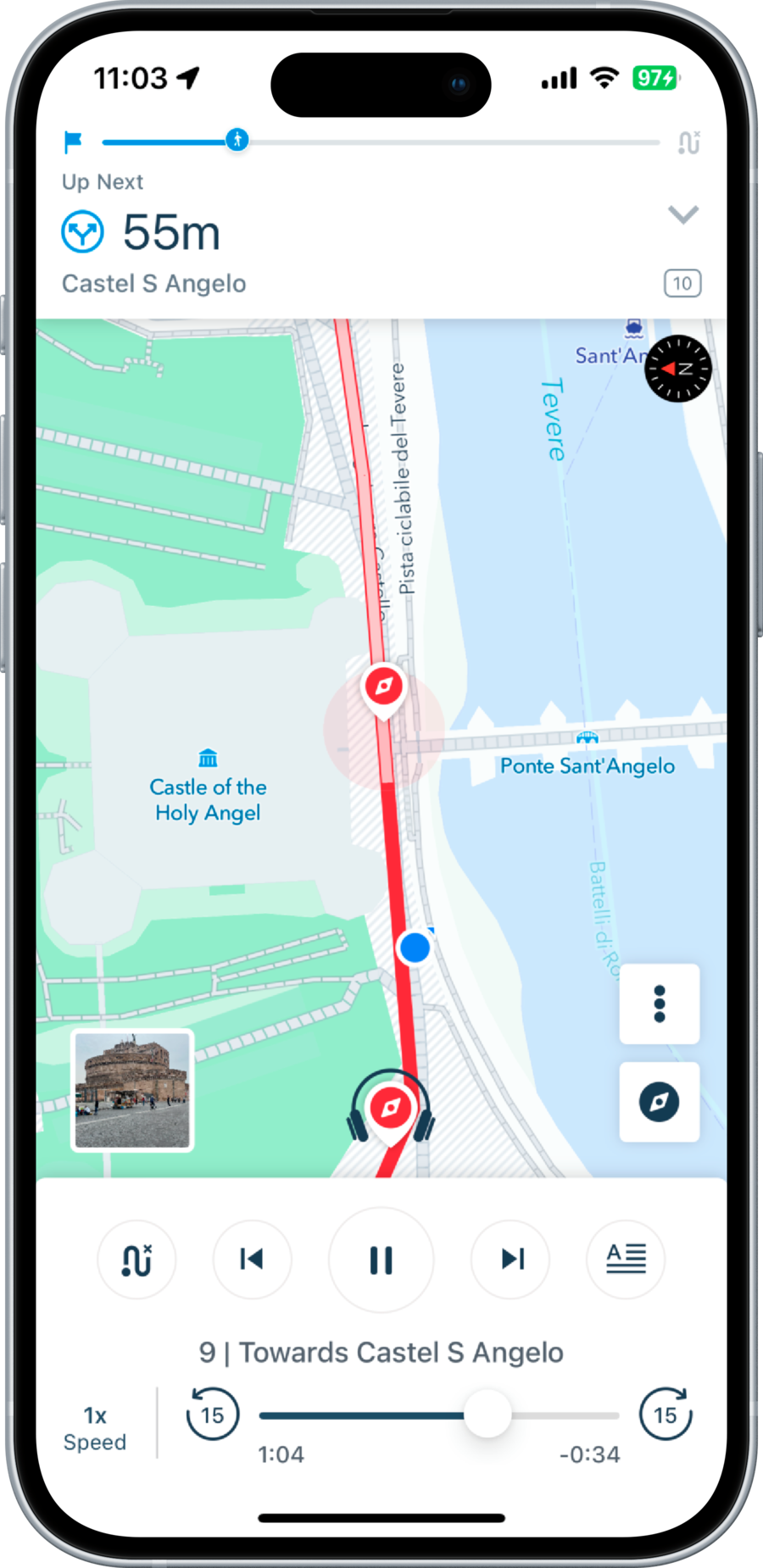
- Download tours to use them offline
- Listen hands-free with GPS playback
- Get turn-by-turn directions


Scan to get app
Download the app for free
VoiceMap




 App of the Day

 Editor’s Choice




Explore New York City
48 self-guided VoiceMap tours you
can do at your own pace
View New York City Tours



Itchy feet? Us too
VoiceMap’s newsletter scratches that itch and stimulates your senses,
every fortnight. Curiosity is the only currency you need to subscribe.

Exploring is easier with a VoiceMap account
To purchase tours, add them to a wishlist, or access them with the VoiceMap app, please sign in or create a VoiceMap account


Exploring is easier with a VoiceMap account
To purchase tours, add them to a wishlist, or access them with the VoiceMap app, please sign in or create a VoiceMap account