







ATTRACTION
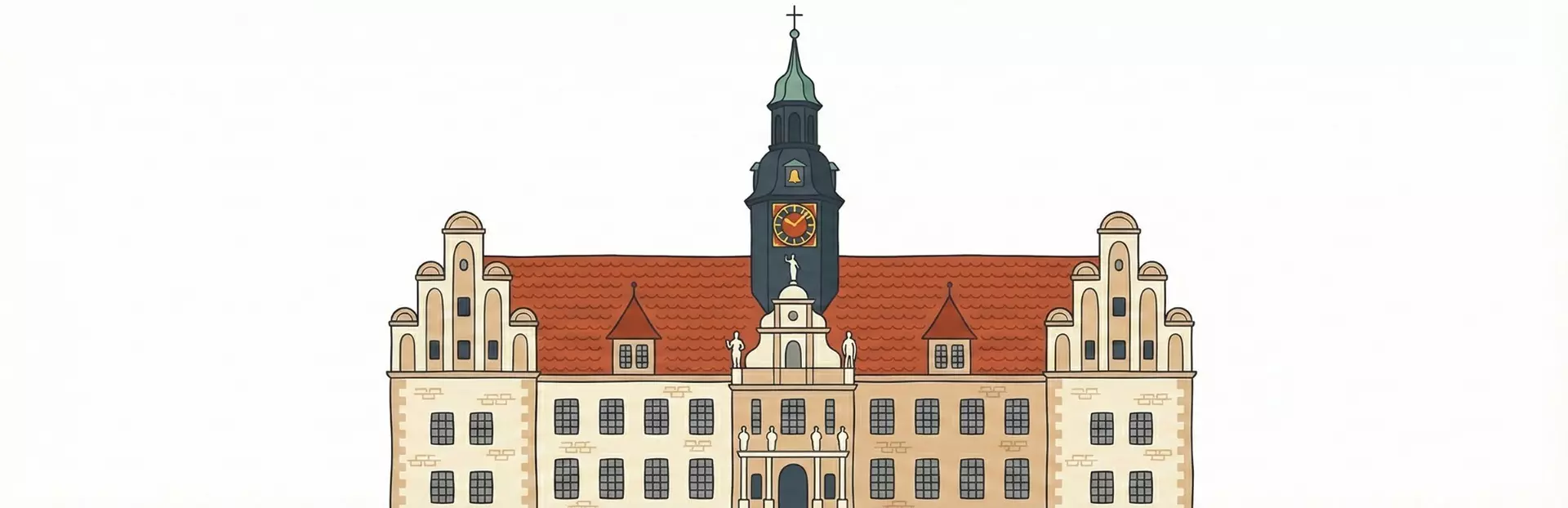
Lüneburg Town Hall,
Lüneburg

About
Legend says hunters discovered Lüneburg's salt when a boar got stuck in a marshy pit. As the animal dried, white crystals appeared on its bristles. That salt, known as white gold, built a medieval empire.
Lüneburg received city rights in 1247 and mined 20,000 tons of salt annually. Patrician families grew extraordinarily rich from the trade, powerful enough to serve as mayors and councilors. The Town Hall became their seat of power. Its facade displays statues of important rulers alongside the city's official virtues: strictness, truthfulness, mildness and wisdom.
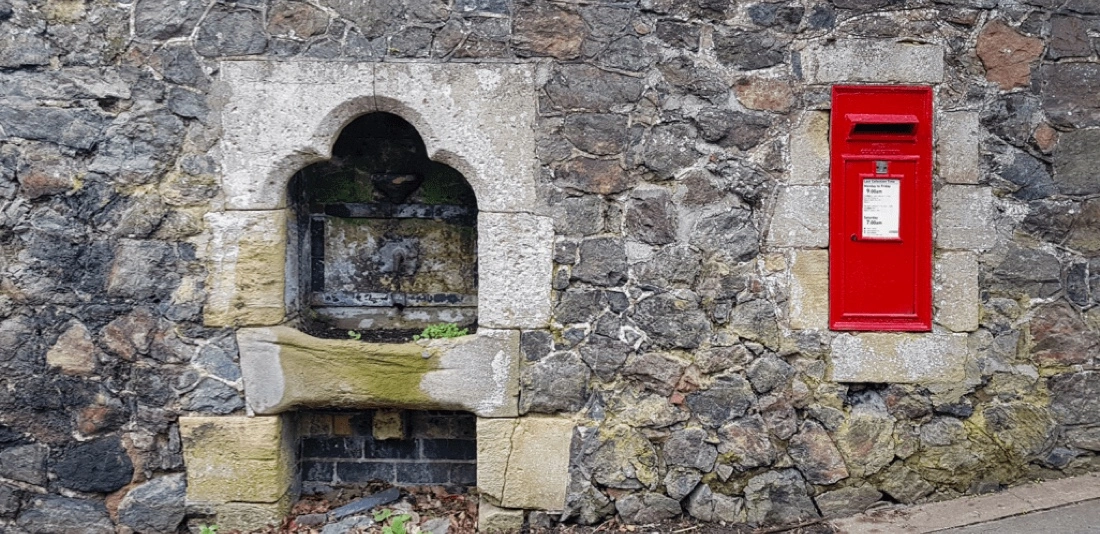
In the corner sits the historic low court, where petty criminals faced public punishment. Offenders had a ring put through their ear and were chained to the ground while crowds cursed, spat and threw rotten food. If they ran, they tore their ear. This created the German phrase "Schlitzohr" or split-ear, still used today for someone dishonest.
VoiceMap's self-guided audio tours reveal how white gold transformed three villages into a metropolitan rival to Hamburg and explain why competition from sea salt eventually ended the prosperity.
Lüneburg received city rights in 1247 and mined 20,000 tons of salt annually. Patrician families grew extraordinarily rich from the trade, powerful enough to serve as mayors and councilors. The Town Hall became their seat of power. Its facade displays statues of important rulers alongside the city's official virtues: strictness, truthfulness, mildness and wisdom.
In the corner sits the historic low court, where petty criminals faced public punishment. Offenders had a ring put through their ear and were chained to the ground while crowds cursed, spat and threw rotten food. If they ran, they tore their ear. This created the German phrase "Schlitzohr" or split-ear, still used today for someone dishonest.
VoiceMap's self-guided audio tours reveal how white gold transformed three villages into a metropolitan rival to Hamburg and explain why competition from sea salt eventually ended the prosperity.

Tours featuring Lüneburg Town Hall (0)
Download the app for free
VoiceMap
- Download tours to use them offline
- Listen hands-free with GPS playback
- Get turn-by-turn directions


Scan to get app
Download the app for free
VoiceMap




 App of the Day

 Editor’s Choice





Itchy feet? Us too
VoiceMap’s newsletter scratches that itch and stimulates your senses,
every fortnight. Curiosity is the only currency you need to subscribe.

Exploring is easier with a VoiceMap account
To purchase tours, add them to a wishlist, or access them with the VoiceMap app, please sign in or create a VoiceMap account


Exploring is easier with a VoiceMap account
To purchase tours, add them to a wishlist, or access them with the VoiceMap app, please sign in or create a VoiceMap account