







ATTRACTION
The Clink Prison Museum,
London


About
The Clink Prison Museum sits on the site of England's oldest gaol, which operated from 1144 to 1780 as the private penitentiary of the Bishops of Winchester.
The bishops owned much of medieval Bankside, and their most profitable business was licensing the area's brothels, or "stews" as they were known. The prostitutes who worked these establishments were called Winchester Geese, and those who displeased the bishop found themselves locked in his prison alongside brawling actors from the nearby theatres.
The name "Clink" comes from the Saxon word "clench," meaning chain, and gave English the expression "in the clink." Charles Dickens knew this grim place well, setting the Gordon Riots of 1780 in his novel Barnaby Rudge on these very streets. Today's museum displays the graphic punishments and torture devices once used here, including a skeleton hung in a cage.
VoiceMap's self-guided audio tours trace how the bishops' spiritual authority transformed into commercial power, using the prison to explore Bankside's evolution from medieval "Liberty" beyond City control to Shakespeare's theatrical playground, where religious dissenters, actors and Winchester Geese all risked imprisonment.
The bishops owned much of medieval Bankside, and their most profitable business was licensing the area's brothels, or "stews" as they were known. The prostitutes who worked these establishments were called Winchester Geese, and those who displeased the bishop found themselves locked in his prison alongside brawling actors from the nearby theatres.
The name "Clink" comes from the Saxon word "clench," meaning chain, and gave English the expression "in the clink." Charles Dickens knew this grim place well, setting the Gordon Riots of 1780 in his novel Barnaby Rudge on these very streets. Today's museum displays the graphic punishments and torture devices once used here, including a skeleton hung in a cage.
VoiceMap's self-guided audio tours trace how the bishops' spiritual authority transformed into commercial power, using the prison to explore Bankside's evolution from medieval "Liberty" beyond City control to Shakespeare's theatrical playground, where religious dissenters, actors and Winchester Geese all risked imprisonment.

Tours featuring the Clink Prison Museum (6)


Ancient History
Religious Sites
Medieval History
Follow Chaucer and Shakespeare across London Bridge into 2,000 years of history

 Walking Tour
|
 90 mins
Literature
Ghosts And Hauntings
Film And TV
Conjure up the city’s magic side on a stroll past its historical landmarks
 Walking Tour
|
120 mins

Music And Performance
Film And TV
Pop Culture
Unmask the city’s past while taking in the iconic sites that inspired the Bard
 Walking Tour
|
90 mins
Medieval History
Transportation Heritage
Top Sights
Map 2,000 years of history in bridges, from Roman crossings to world wonders
Walking Tour
|
90 mins

Religious Sites
Architecture
Ancient History
See the vibrant side of the Thames that was historically sidelined by the City
 Walking Tour
|
90 mins

Maritime Heritage
Royal Heritage
Literature
Laugh your way through washed-up stories of fires, fools and forgotten scandals
 Walking Tour
|
75 mins
Download the app for free
VoiceMap
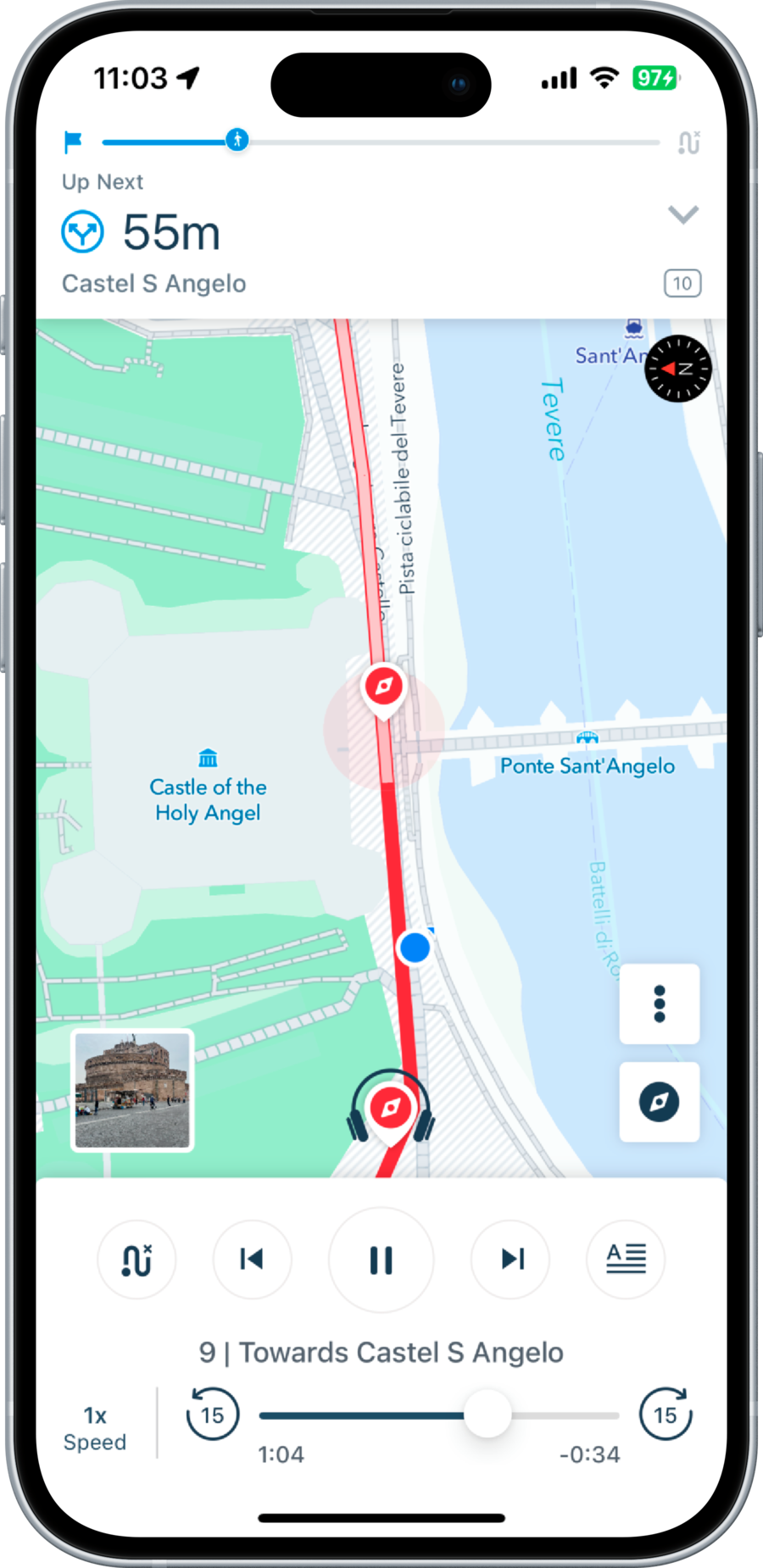
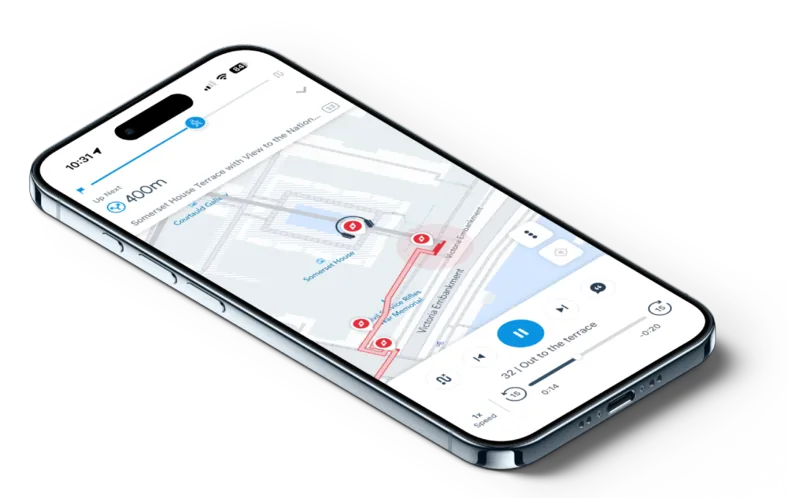
- Download tours to use them offline
- Listen hands-free with GPS playback
- Get turn-by-turn directions


Scan to get app
Download the app for free
VoiceMap




 App of the Day

 Editor’s Choice






Itchy feet? Us too
VoiceMap’s newsletter scratches that itch and stimulates your senses,
every fortnight. Curiosity is the only currency you need to subscribe.

Exploring is easier with a VoiceMap account
To purchase tours, add them to a wishlist, or access them with the VoiceMap app, please sign in or create a VoiceMap account


Exploring is easier with a VoiceMap account
To purchase tours, add them to a wishlist, or access them with the VoiceMap app, please sign in or create a VoiceMap account