







ATTRACTION
Museum Island,
Berlin


About
Museum Island sits in the middle of Berlin where the River Spree splits in two. Five world-class museums stand here, making it a UNESCO World Heritage Site.
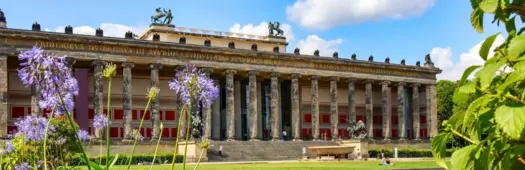
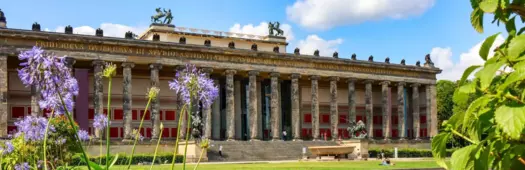
The first museum opened in 1830. Friedrich Schinkel designed the Altes Museum with 18 grand columns. Over the next hundred years, four more museums were added: the Neues Museum, the Alte Nationalgalerie, the Bode Museum, and the Pergamon Museum.
The Pergamon Museum holds ancient wonders. Inside, you'll find the massive Pergamon Altar from Greece and the brilliant blue Ishtar Gate from Babylon. The Neues Museum houses the famous bust of the Egyptian queen Nefertiti. World War Two nearly destroyed the Neues Museum. For 50 years, it sat as a ruin. Trees grew through the galleries. The river flooded the basement.
After German reunification, architect David Chipperfield spent eleven years rebuilding it. He deliberately preserved the scars. Original walls stand next to damaged sections and modern additions. Walking through feels like reading a history book written in stone. Chipperfield also designed the James-Simon Gallery, a modern entrance building that connects all five museums. Now visitors can explore them all with one ticket.
VoiceMap's audio tours explain what makes each museum special and reveal the stories behind its greatest treasures.
The first museum opened in 1830. Friedrich Schinkel designed the Altes Museum with 18 grand columns. Over the next hundred years, four more museums were added: the Neues Museum, the Alte Nationalgalerie, the Bode Museum, and the Pergamon Museum.
The Pergamon Museum holds ancient wonders. Inside, you'll find the massive Pergamon Altar from Greece and the brilliant blue Ishtar Gate from Babylon. The Neues Museum houses the famous bust of the Egyptian queen Nefertiti. World War Two nearly destroyed the Neues Museum. For 50 years, it sat as a ruin. Trees grew through the galleries. The river flooded the basement.
After German reunification, architect David Chipperfield spent eleven years rebuilding it. He deliberately preserved the scars. Original walls stand next to damaged sections and modern additions. Walking through feels like reading a history book written in stone. Chipperfield also designed the James-Simon Gallery, a modern entrance building that connects all five museums. Now visitors can explore them all with one ticket.
VoiceMap's audio tours explain what makes each museum special and reveal the stories behind its greatest treasures.

Tours featuring Museum Island (3)


Museums
UNESCO Sites
Royal Heritage
Explore UNESCO-listed Museuminsel in the company of a best-selling travel writer

 Walking Tour
|
 40 mins
Architecture
Modern History
Top Sights
Marvel at over four centuries of architecture in East Berlin's historical heart
 Walking Tour
|
75 mins
Erkunden Sie Ostberlin bei einem Spaziergang durch die Jahrhunderte
Walking Tour
|
75 mins
Download the app for free
VoiceMap
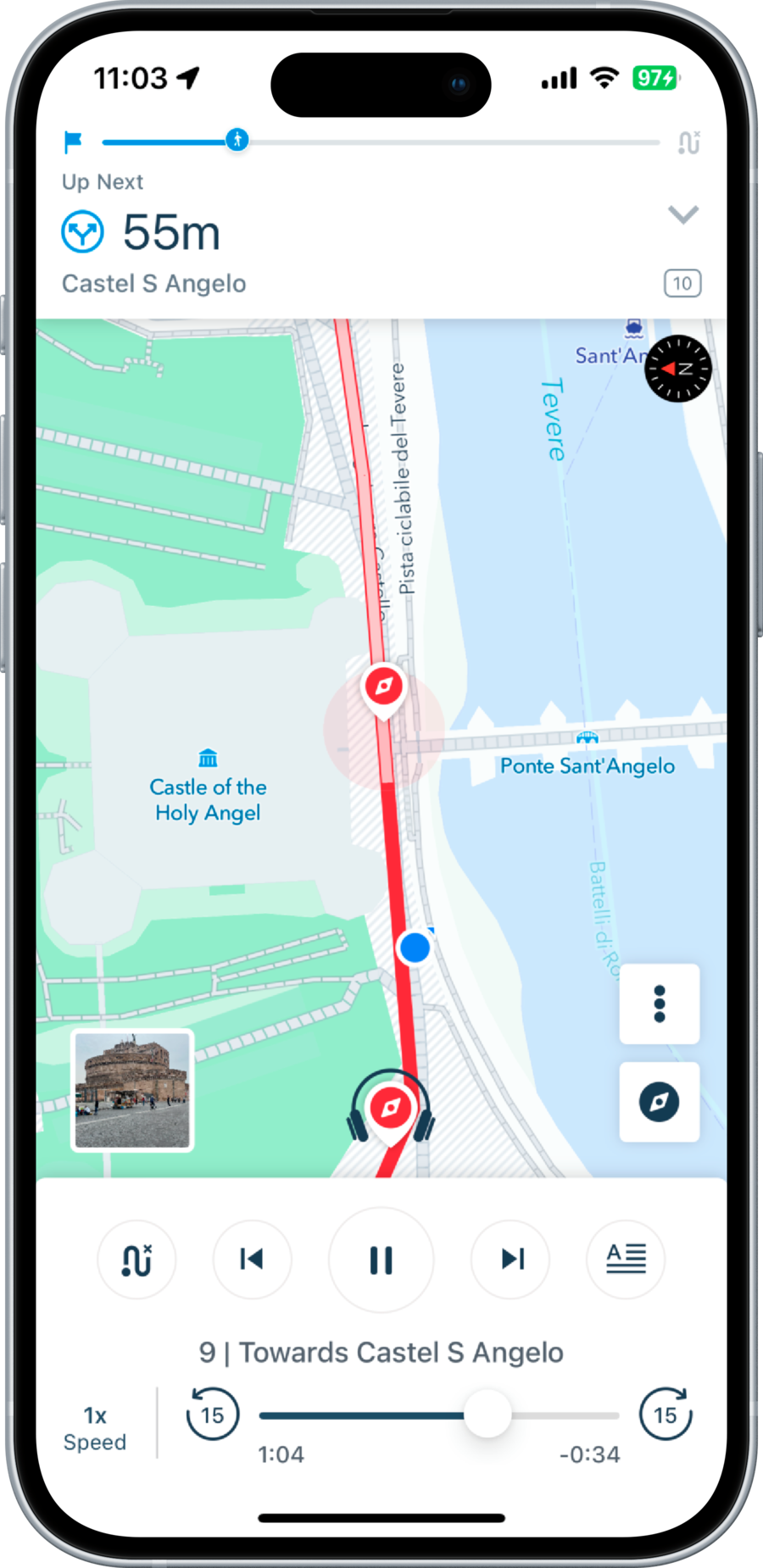
- Download tours to use them offline
- Listen hands-free with GPS playback
- Get turn-by-turn directions


Scan to get app
Download the app for free
VoiceMap




 App of the Day

 Editor’s Choice








Itchy feet? Us too
VoiceMap’s newsletter scratches that itch and stimulates your senses,
every fortnight. Curiosity is the only currency you need to subscribe.

Exploring is easier with a VoiceMap account
To purchase tours, add them to a wishlist, or access them with the VoiceMap app, please sign in or create a VoiceMap account


Exploring is easier with a VoiceMap account
To purchase tours, add them to a wishlist, or access them with the VoiceMap app, please sign in or create a VoiceMap account