







ATTRACTION
Checkpoint Charlie,
Berlin

About
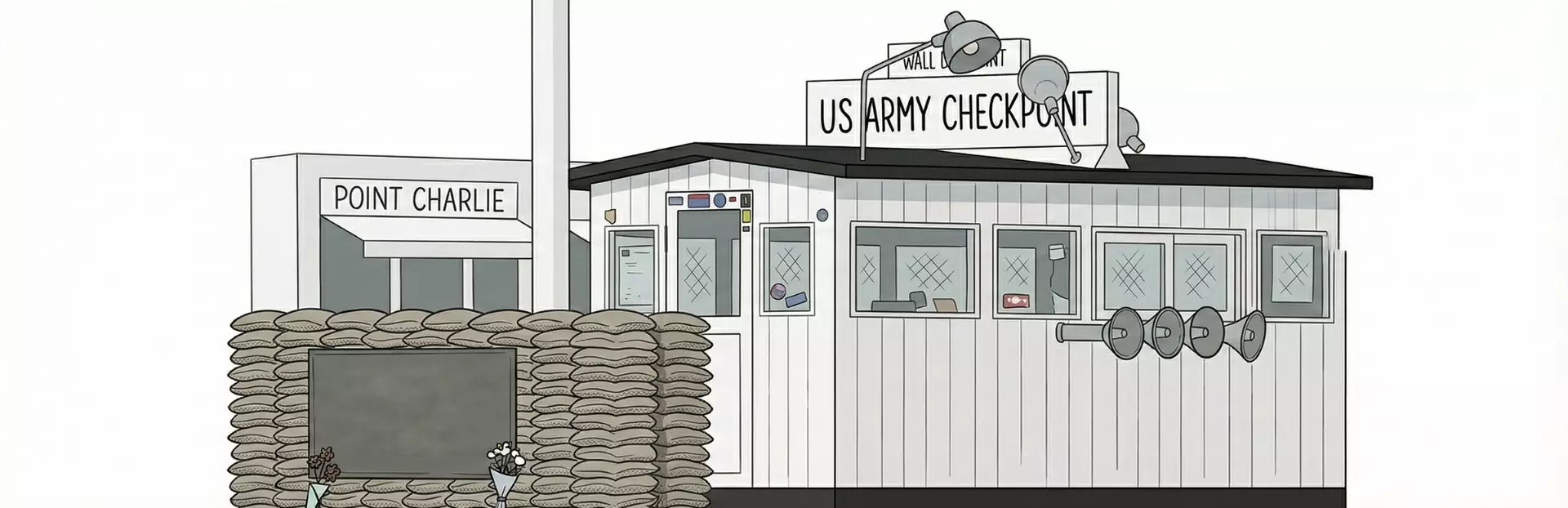
Checkpoint Charlie was the third crossing point in the military alphabet: Alpha as you entered East Germany, Bravo as you entered West Berlin, and Charlie between West and East Berlin.
It was reserved for Allies and non-Germans. Americans could use it. West Germans could not. Fourteen crossing points existed in total: eight between East and West Berlin, six more between West Berlin and East Germany.
The booth standing today is a copy of the original from 1961. After 1989, everything was removed. The portrait on the booth shows Jeffrey Harper, stationed in Berlin in 1989, one of the last US soldiers before they withdrew completely.
In 1961, months after the Wall went up, Soviet and Allied tanks faced each other here. The world held its breath. The dispute was silly: Eastern guards had started asking for papers, violating the free passage agreement. After 16 hours, the tanks withdrew. One false move could have triggered the Third World War.
VoiceMap's self-guided audio tours explain the military alphabet naming system, recount the 1961 tank standoff, and reveal how 5,000 people escaped.
It was reserved for Allies and non-Germans. Americans could use it. West Germans could not. Fourteen crossing points existed in total: eight between East and West Berlin, six more between West Berlin and East Germany.
The booth standing today is a copy of the original from 1961. After 1989, everything was removed. The portrait on the booth shows Jeffrey Harper, stationed in Berlin in 1989, one of the last US soldiers before they withdrew completely.
In 1961, months after the Wall went up, Soviet and Allied tanks faced each other here. The world held its breath. The dispute was silly: Eastern guards had started asking for papers, violating the free passage agreement. After 16 hours, the tanks withdrew. One false move could have triggered the Third World War.
VoiceMap's self-guided audio tours explain the military alphabet naming system, recount the 1961 tank standoff, and reveal how 5,000 people escaped.

Tours featuring Checkpoint Charlie (6)


War And Military
Scenic Routes
Modern History
Trace part of the city’s Iron Curtain and see where tragedy and triumph unfolded

 Walking Tour
|
 75 mins

Architecture
Modern History
Top Sights
Marvel at over four centuries of architecture in East Berlin's historical heart
Walking Tour
|
75 mins

Erkunden Sie Ostberlin bei einem Spaziergang durch die Jahrhunderte
Walking Tour
|
75 mins

Explorez le Rideau de Fer : tragédies et triomphes d'une ville divisée
Walking Tour
|
60 mins

Esplora la Cortina di Ferro, tragedie e trionfi della città
Walking Tour
|
60 mins
Modern History
War And Military
Social Movements
Hear a 9-year-old boy's account of his daring zipline escape from East Berlin
Walking Tour
|
75 mins

New Tour
No ratings yet
$11.99
Download the app for free
VoiceMap
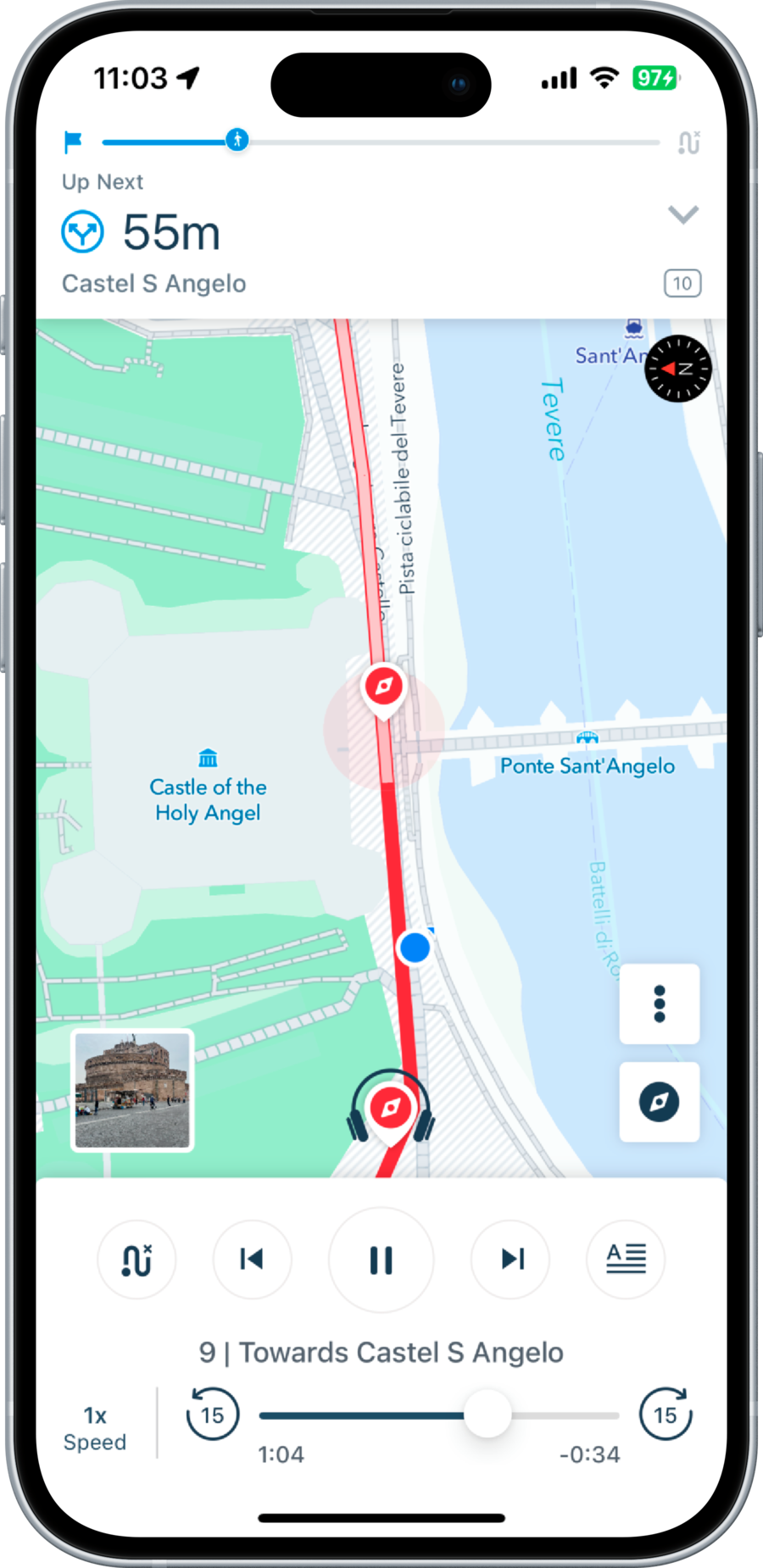
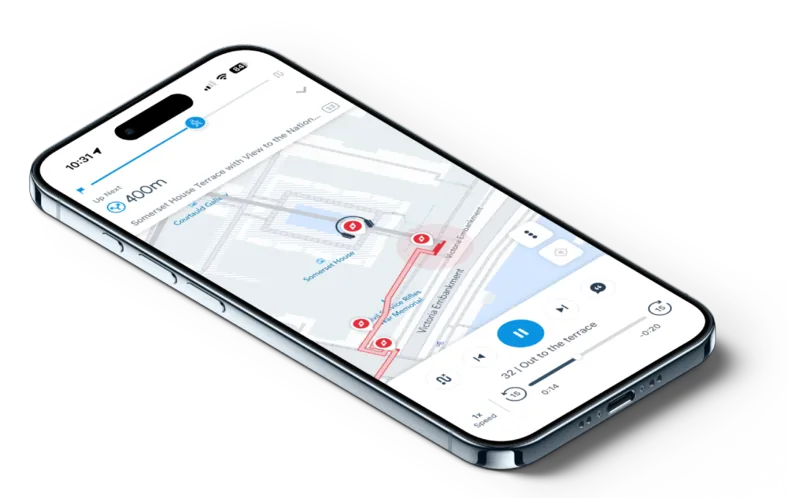
- Download tours to use them offline
- Listen hands-free with GPS playback
- Get turn-by-turn directions


Scan to get app
Download the app for free
VoiceMap




 App of the Day

 Editor’s Choice






Itchy feet? Us too
VoiceMap’s newsletter scratches that itch and stimulates your senses,
every fortnight. Curiosity is the only currency you need to subscribe.

Exploring is easier with a VoiceMap account
To purchase tours, add them to a wishlist, or access them with the VoiceMap app, please sign in or create a VoiceMap account


Exploring is easier with a VoiceMap account
To purchase tours, add them to a wishlist, or access them with the VoiceMap app, please sign in or create a VoiceMap account