






ATTRACTION
Berlin Wall (Memorial),
Berlin

About
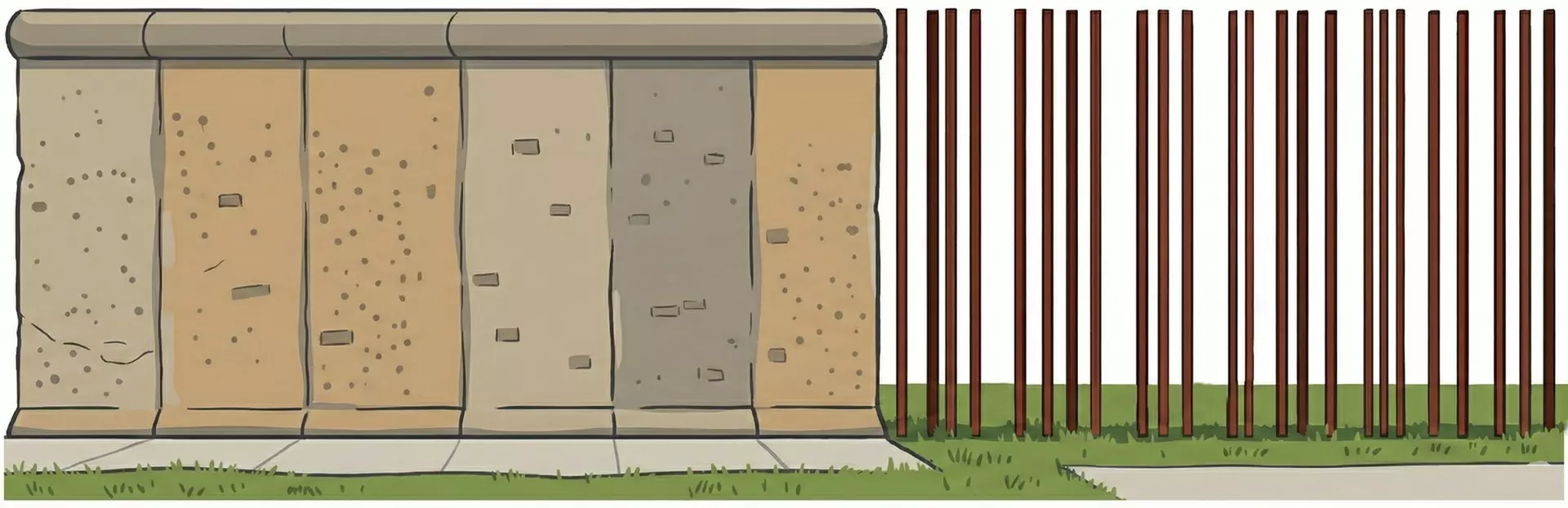
The Berlin Wall was not one wall but two, with a death strip between them. Guards in over 300 towers had orders to shoot anyone who moved in that space. The first person was shot twelve days after construction began in August 1961. The last died in February 1989, nine months before the Wall fell. Around 140 people were killed trying to escape, though estimates reach 200.
Peter Fechter was 18 when he was shot jumping the first wall. He lay bleeding in the death strip for an hour while West Berliners called for help. Eastern guards waited for orders. Western guards couldn't enter without being shot themselves. By the time they retrieved him, he had bled to death. Conrad Schumann became famous three days after construction started when a photograph captured him jumping barbed wire, fleeing West in full uniform with his rifle.
The Wall stretched 155 kilometres around West Berlin, turning it into what was called the world's largest open-air prison. It stood for 28 years. On November 9, 1989, nobody had foreseen it would fall. Crowds danced on top, wielding hammers, dismantling concrete. At Checkpoint Charlie, a Russian cellist played Bach. Within a year, almost nothing remained but paving stones marking where it stood.
VoiceMap's self-guided audio tours trace the death strip, explain why towers were rebuilt square instead of round, and reveal the tunnels where 5,000 people successfully escaped.
Peter Fechter was 18 when he was shot jumping the first wall. He lay bleeding in the death strip for an hour while West Berliners called for help. Eastern guards waited for orders. Western guards couldn't enter without being shot themselves. By the time they retrieved him, he had bled to death. Conrad Schumann became famous three days after construction started when a photograph captured him jumping barbed wire, fleeing West in full uniform with his rifle.
The Wall stretched 155 kilometres around West Berlin, turning it into what was called the world's largest open-air prison. It stood for 28 years. On November 9, 1989, nobody had foreseen it would fall. Crowds danced on top, wielding hammers, dismantling concrete. At Checkpoint Charlie, a Russian cellist played Bach. Within a year, almost nothing remained but paving stones marking where it stood.
VoiceMap's self-guided audio tours trace the death strip, explain why towers were rebuilt square instead of round, and reveal the tunnels where 5,000 people successfully escaped.

Tours featuring Berlin Wall (Memorial) (1)


Social Movements
Modern History
Local Legends
Listen to tales of triumphs and losses along the city‘s former death-strip

 Walking Tour
|
 60 mins
Download the app for free
VoiceMap
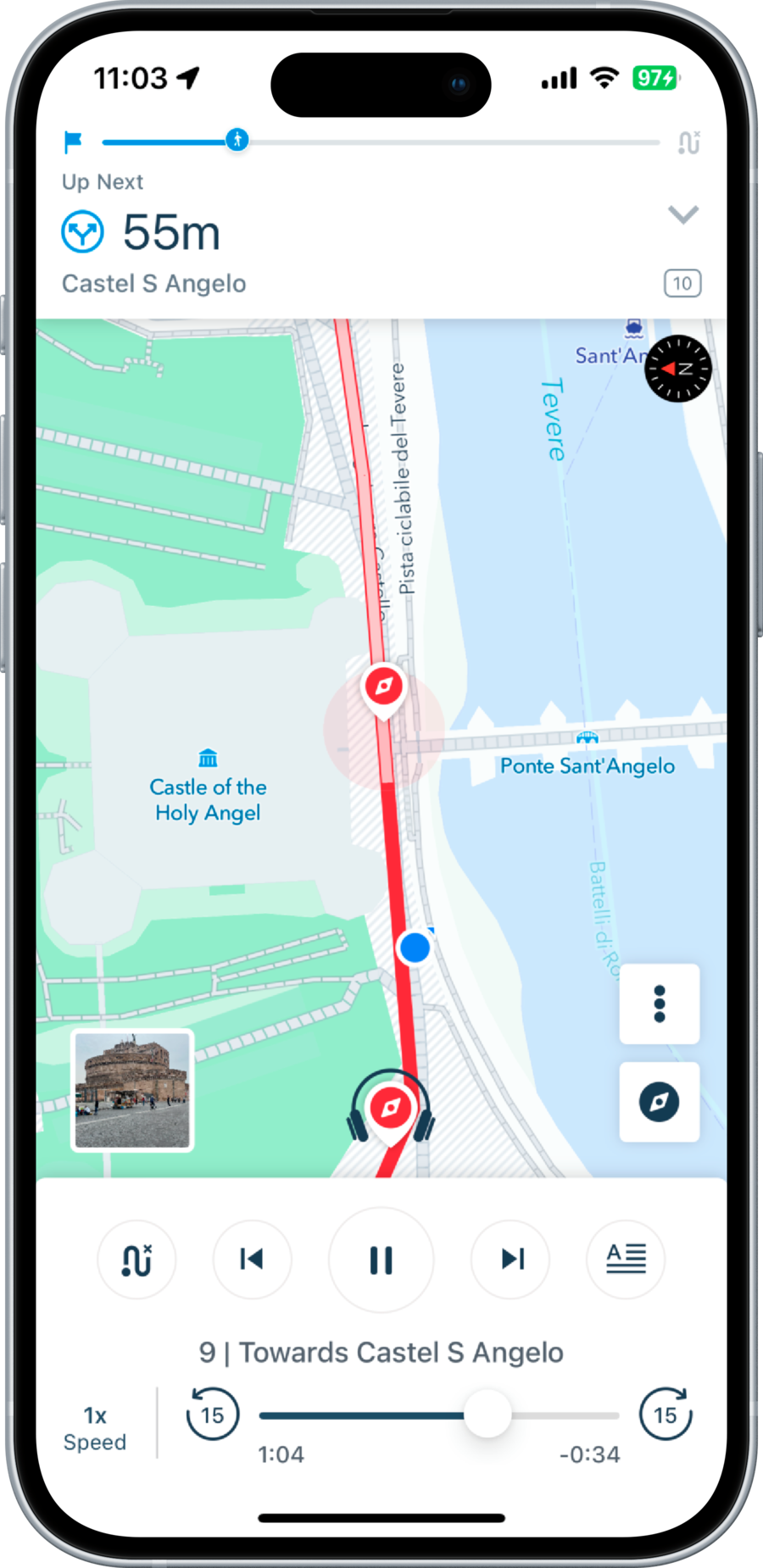
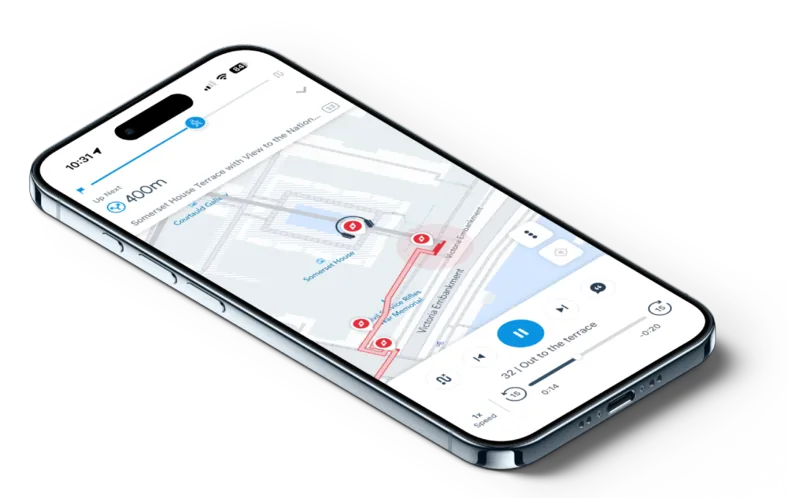
- Download tours to use them offline
- Listen hands-free with GPS playback
- Get turn-by-turn directions


Scan to get app
Download the app for free
VoiceMap




 App of the Day

 Editor’s Choice






Itchy feet? Us too
VoiceMap’s newsletter scratches that itch and stimulates your senses,
every fortnight. Curiosity is the only currency you need to subscribe.

Exploring is easier with a VoiceMap account
To purchase tours, add them to a wishlist, or access them with the VoiceMap app, please sign in or create a VoiceMap account


Exploring is easier with a VoiceMap account
To purchase tours, add them to a wishlist, or access them with the VoiceMap app, please sign in or create a VoiceMap account