







ATTRACTION
Passeig del Born,
Barcelona

About
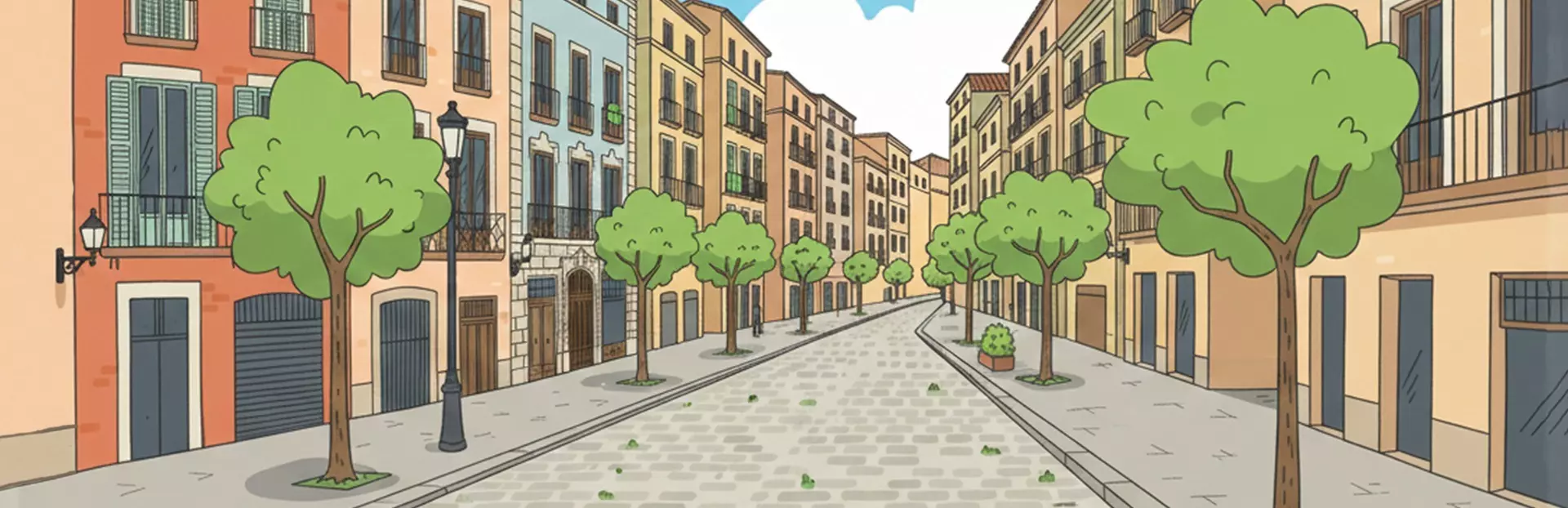
Passeig del Born takes its name from the Catalan word for jousting field, and for centuries this tree-lined avenue was Barcelona's main arena for tournaments, Holy Week processions and carnival celebrations.
The street stretches between Santa Maria del Mar, one of the finest examples of pure Catalan Gothic, and the cast-iron market hall of El Born, built in the 1870s as Barcelona's first large-scale iron structure. But beneath the revelry lies a darker history: in the 1500s, victims of the Inquisition were executed here, and in 1714 Philip V's troops occupied the avenue following the Siege of Barcelona.
Today, the street anchors La Ribera, the old artisans' quarter where Gothic palaces line narrow medieval lanes. The architecture tells the story of Barcelona's commercial wealth, when merchants and guilds coexisted in this thriving seaside suburb.
VoiceMap's self-guided audio tours trace Passeig del Born's transformation from jousting strip to market thoroughfare, revealing how wars, destruction and urban renewal shaped both the avenue and Barcelona itself.
The street stretches between Santa Maria del Mar, one of the finest examples of pure Catalan Gothic, and the cast-iron market hall of El Born, built in the 1870s as Barcelona's first large-scale iron structure. But beneath the revelry lies a darker history: in the 1500s, victims of the Inquisition were executed here, and in 1714 Philip V's troops occupied the avenue following the Siege of Barcelona.
Today, the street anchors La Ribera, the old artisans' quarter where Gothic palaces line narrow medieval lanes. The architecture tells the story of Barcelona's commercial wealth, when merchants and guilds coexisted in this thriving seaside suburb.
VoiceMap's self-guided audio tours trace Passeig del Born's transformation from jousting strip to market thoroughfare, revealing how wars, destruction and urban renewal shaped both the avenue and Barcelona itself.

Tours featuring Passeig del Born (2)

Medieval History
Nightlife
Food And Drink
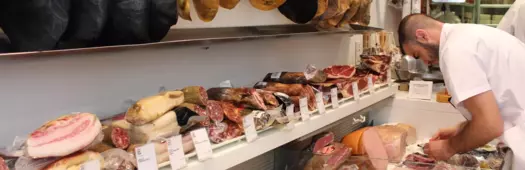
Tuck into the culinary delights and food history of Barcelona's El Born district

 Walking Tour
|
 90 mins
Medieval History
Museums
Parks And Gardens
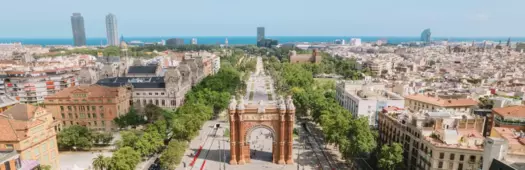
Spot an early Gaudi sculpture and clues to medieval life in this 'cool' quarter
 Walking Tour
|
90 mins
Download the app for free
VoiceMap
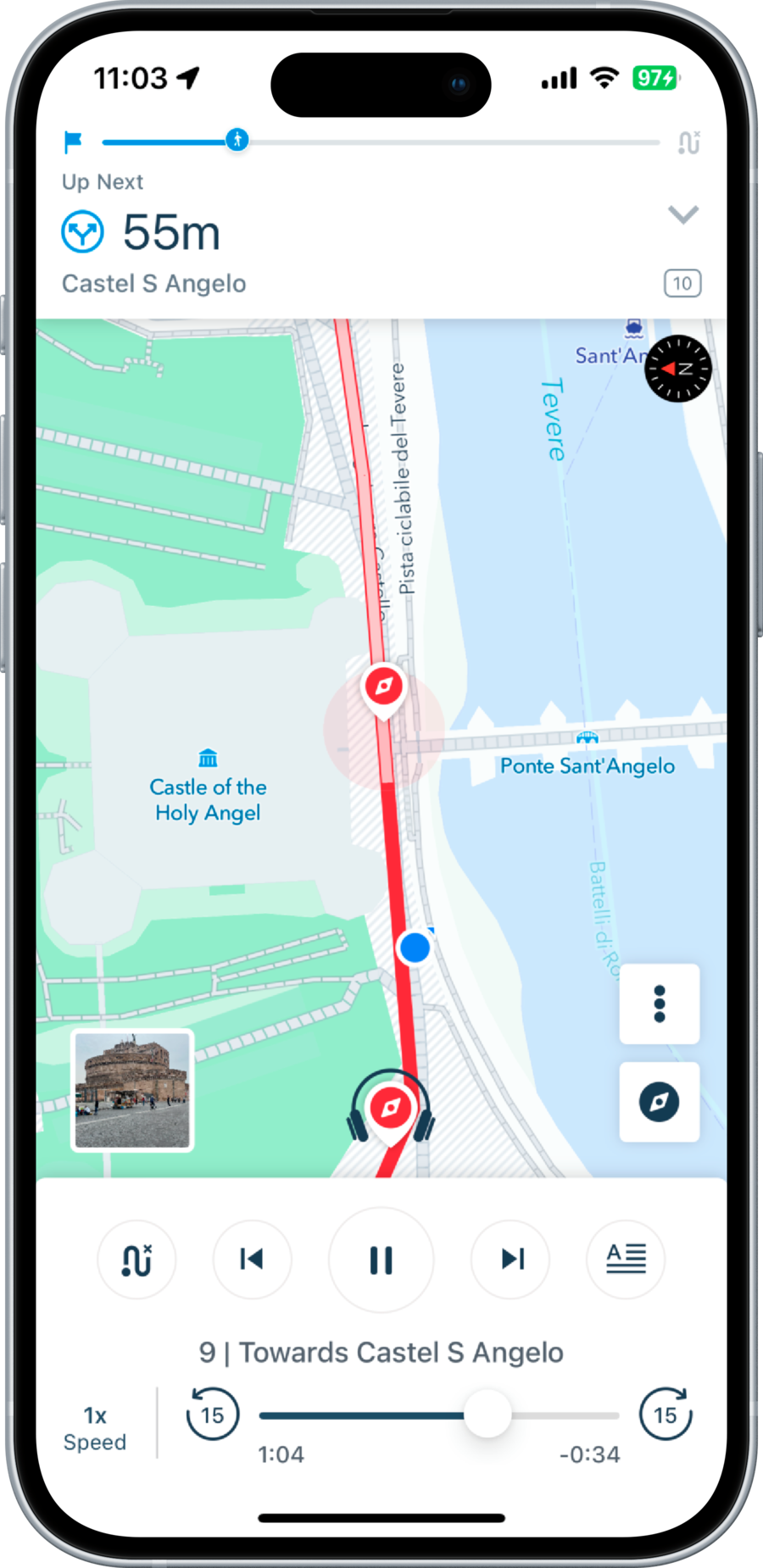
- Download tours to use them offline
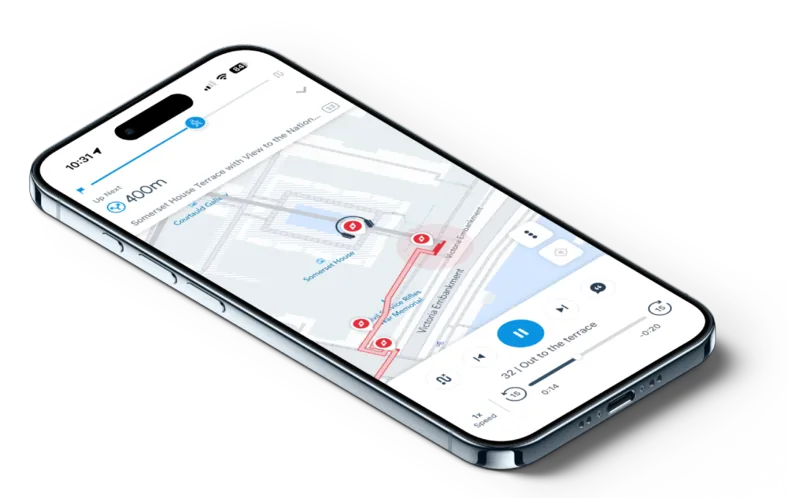
- Listen hands-free with GPS playback
- Get turn-by-turn directions


Scan to get app
Download the app for free
VoiceMap




 App of the Day

 Editor’s Choice






Itchy feet? Us too
VoiceMap’s newsletter scratches that itch and stimulates your senses,
every fortnight. Curiosity is the only currency you need to subscribe.

Exploring is easier with a VoiceMap account
To purchase tours, add them to a wishlist, or access them with the VoiceMap app, please sign in or create a VoiceMap account


Exploring is easier with a VoiceMap account
To purchase tours, add them to a wishlist, or access them with the VoiceMap app, please sign in or create a VoiceMap account