







ATTRACTION
The Theatre of Dionysus,
Athens

About
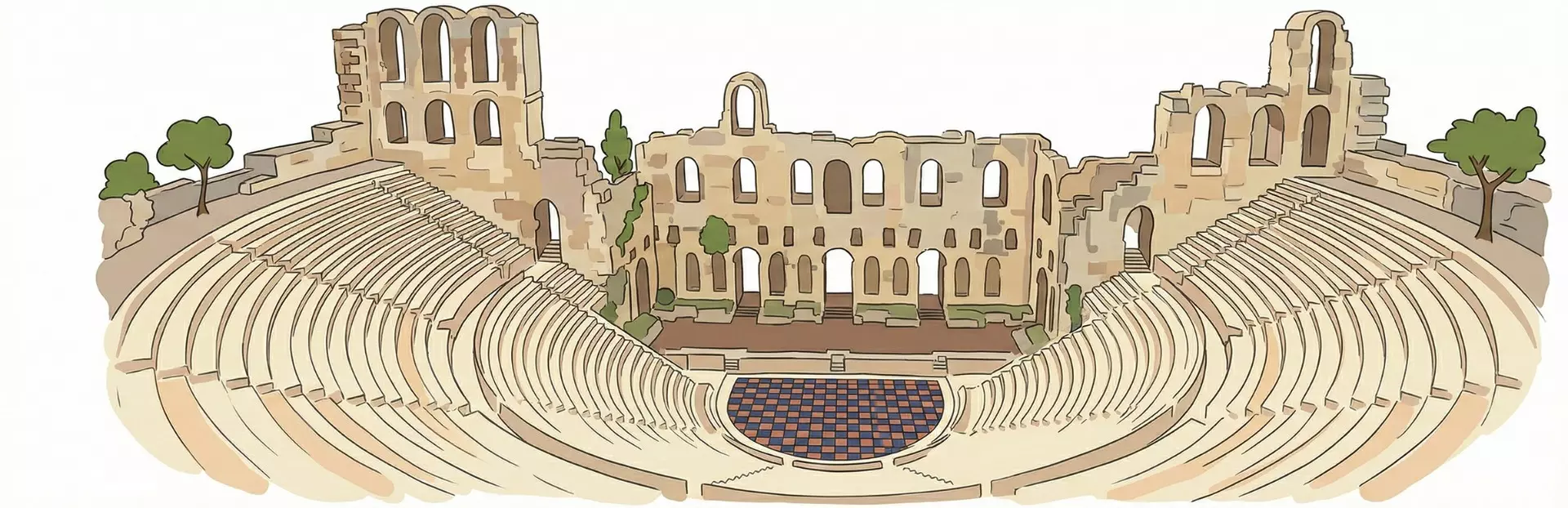
The Theatre of Dionysus is the mother of all Western theatres. In 534 BCE, a man called Thespis introduced dialogue to ritual dances performed for the god of wine and theatre, creating the first theatrical performance. Thespian, the term for actor, comes from his name. The ancient Greek word was hypocrites.
During the golden age, audiences sat on wooden seats and watched only original works. Until 386 BCE, no play was ever repeated. The stone thrones visible today came later, after 340 BCE. Sixty-seven front-row seats belonged to priests, with Dionysus' priest occupying the central throne decorated with lion legs and armrests. More than a thousand plays premiered here in the fifth century BCE alone.
The Romans fenced the orchestra for gladiators. The colourful marble pavement dates from that period.
VoiceMap's self-guided audio tours explain how Aeschylus, Sophocles, Euripides and Aristophanes used this space to challenge gods, elites and authority, tracing theatre's evolution from religious festival to political arena.
During the golden age, audiences sat on wooden seats and watched only original works. Until 386 BCE, no play was ever repeated. The stone thrones visible today came later, after 340 BCE. Sixty-seven front-row seats belonged to priests, with Dionysus' priest occupying the central throne decorated with lion legs and armrests. More than a thousand plays premiered here in the fifth century BCE alone.
The Romans fenced the orchestra for gladiators. The colourful marble pavement dates from that period.
VoiceMap's self-guided audio tours explain how Aeschylus, Sophocles, Euripides and Aristophanes used this space to challenge gods, elites and authority, tracing theatre's evolution from religious festival to political arena.

Tours featuring the Theatre of Dionysus (1)


Ancient History
Architecture
War And Military
Reflect on 2,000 years of Greek influence on a stroll along the hilltop citadel

 Walking Tour
|
 120 mins
Download the app for free
VoiceMap
- Download tours to use them offline
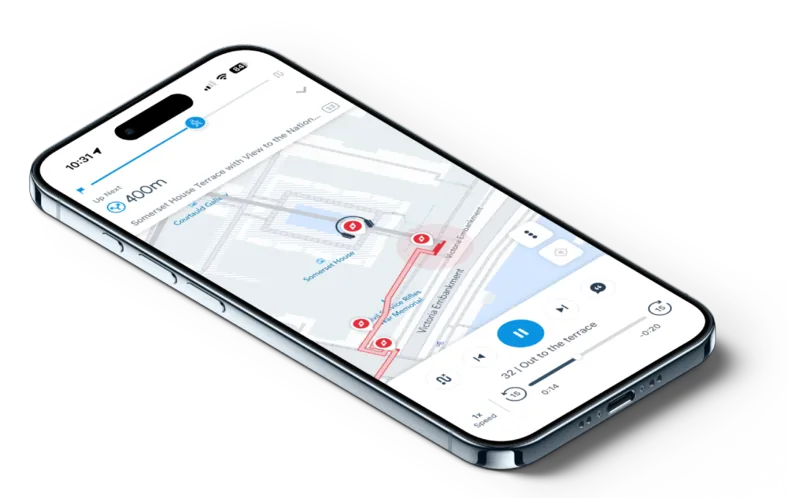
- Listen hands-free with GPS playback
- Get turn-by-turn directions


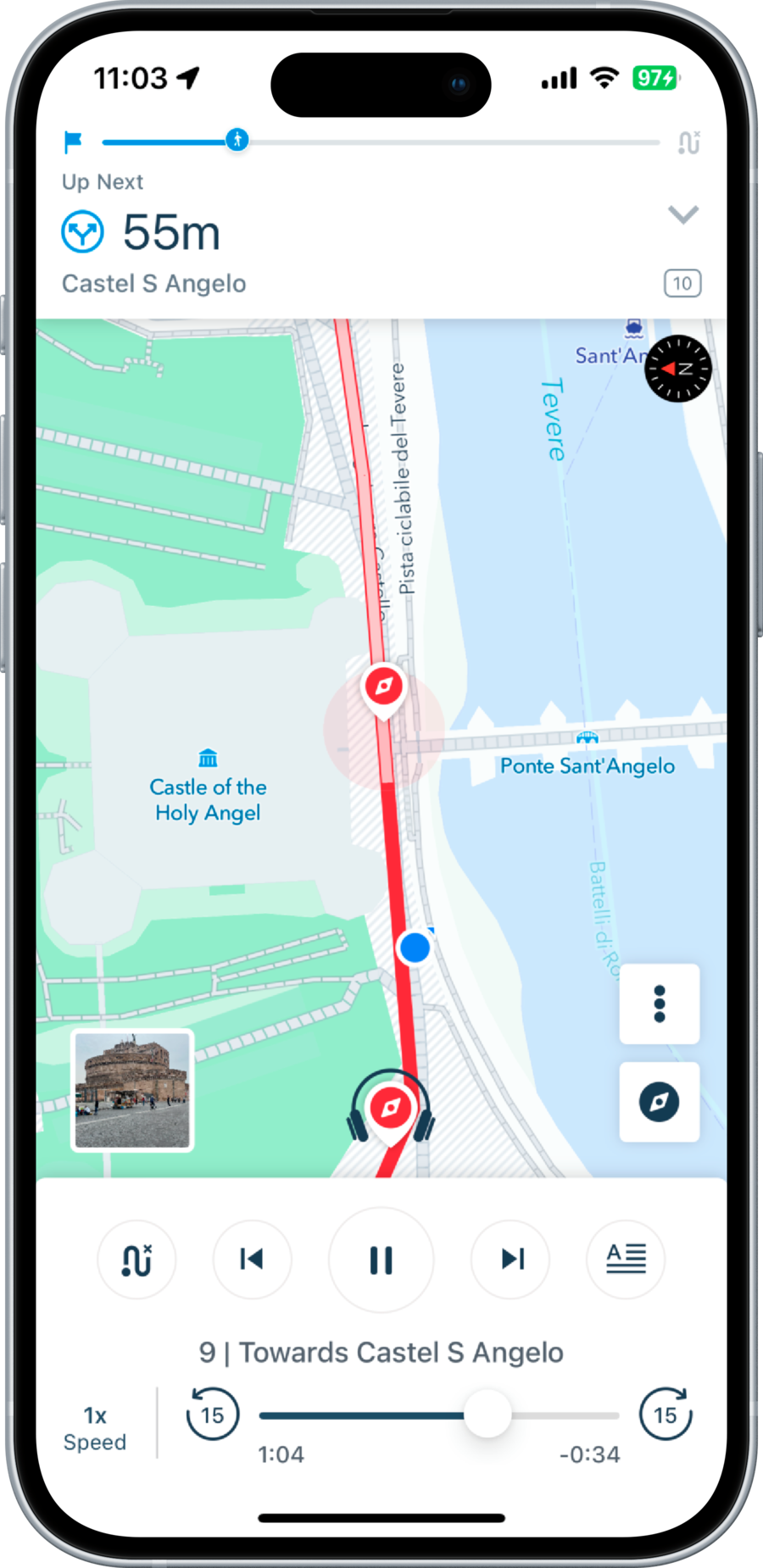
Scan to get app
Download the app for free
VoiceMap




 App of the Day

 Editor’s Choice







Itchy feet? Us too
VoiceMap’s newsletter scratches that itch and stimulates your senses,
every fortnight. Curiosity is the only currency you need to subscribe.

Exploring is easier with a VoiceMap account
To purchase tours, add them to a wishlist, or access them with the VoiceMap app, please sign in or create a VoiceMap account


Exploring is easier with a VoiceMap account
To purchase tours, add them to a wishlist, or access them with the VoiceMap app, please sign in or create a VoiceMap account